APWLD Digital Security and Online Safety Training
APWLD Digital Security and Online Safety Training
21–22 May 2018 | Penang, Malaysia
The Asia-Pacific Forum on Women, Law and Development (APWLD) conducted a two-day Digital Security and Online Safety Training on 21–22 May 2018 in Penang, Malaysia, facilitated by Dhyta Caturani and Christina Lopez. The training brought together APWLD Secretariat members, grassroots activists, women human rights defenders (WHRDs), women’s rights activists, and NGO representatives. It was organized to strengthen participants’ capacity to understand and respond to digital security risks, online safety concerns, privacy threats, and online gender-based violence.
The training combined feminist perspectives with practical digital security skills. Sessions covered holistic security, how the internet works, secure communications, password management, social media privacy, email encryption, online gender-based violence, and the Feminist Principles of the Internet. Participants were introduced to tools such as Signal, Jitsi, and KeePassXC, while selected participants received hands-on training on email encryption using Thunderbird and PGP.
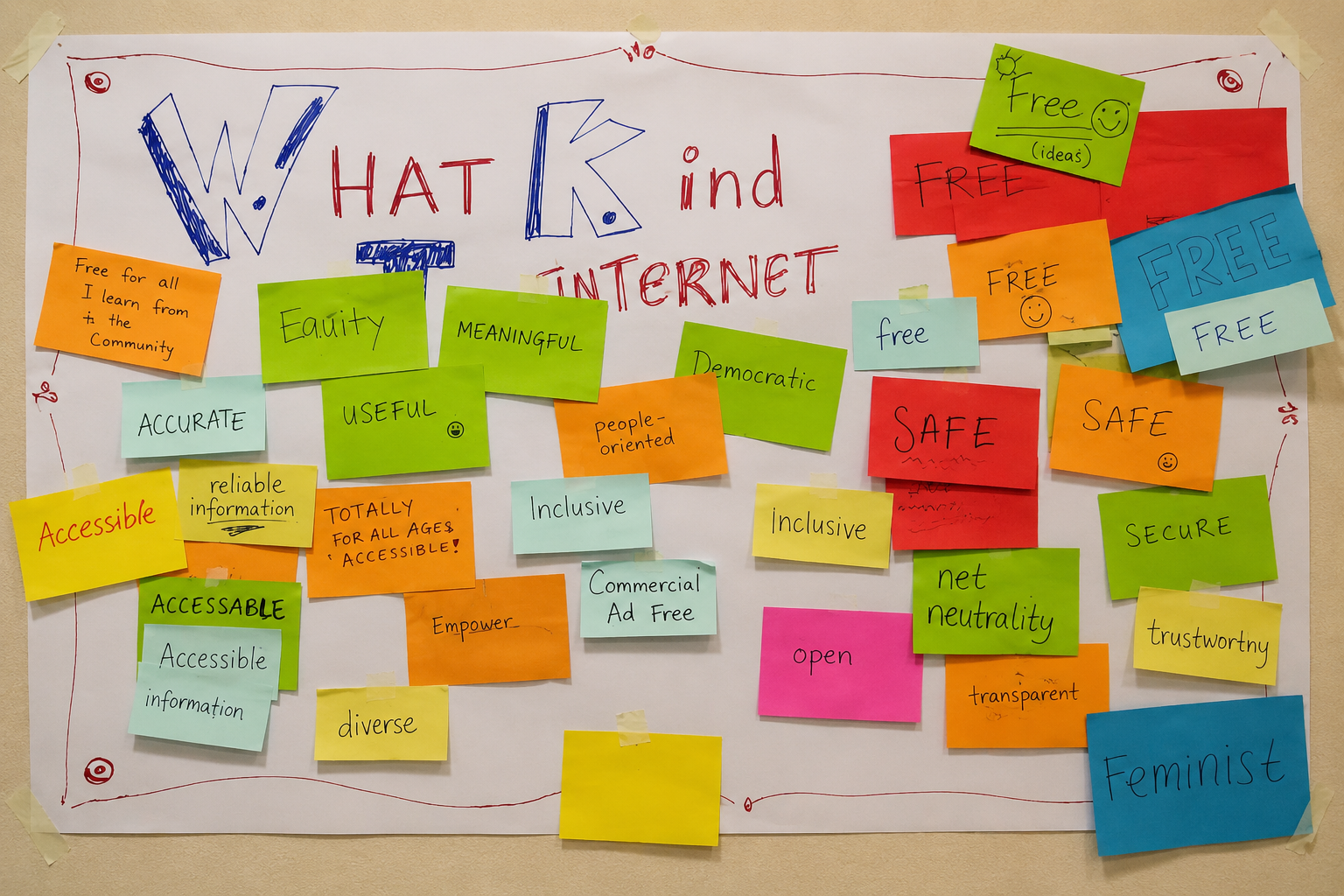
A strong emphasis was placed on creating a safe, respectful, and participatory learning environment. Activities such as the “Wall of Women’s Firsts,” “Internet We Want,” and scenario-based exercises encouraged participants to reflect on their experiences with technology and develop collective strategies for addressing online gender-based violence.
The training highlighted different levels of digital literacy among participants and demonstrated the need to make digital security learning accessible and responsive to varying technical capacities. Despite challenges such as limited time, slow internet connectivity, and difficulties with some technical exercises, participants remained engaged and expressed strong interest in feminist digital security and internet freedom.
Overall, the training demonstrated the value of integrating technical skills with feminist and holistic approaches to security. It also underscored that digital security requires continuous learning and organizational support beyond a single workshop. The trainers recommended follow-up and more intensive trainings, preferably conducted over three to five days, with participants grouped according to their needs and levels of technical knowledge.#


0 Comments