Beyond Digital Security: Why Well-Being, Self-Care, and Collective Care Matter
Published by Foundation for Media Alternatives (FMA) on
Beyond Digital Security: Why Well-Being, Self-Care, and Collective Care Matter
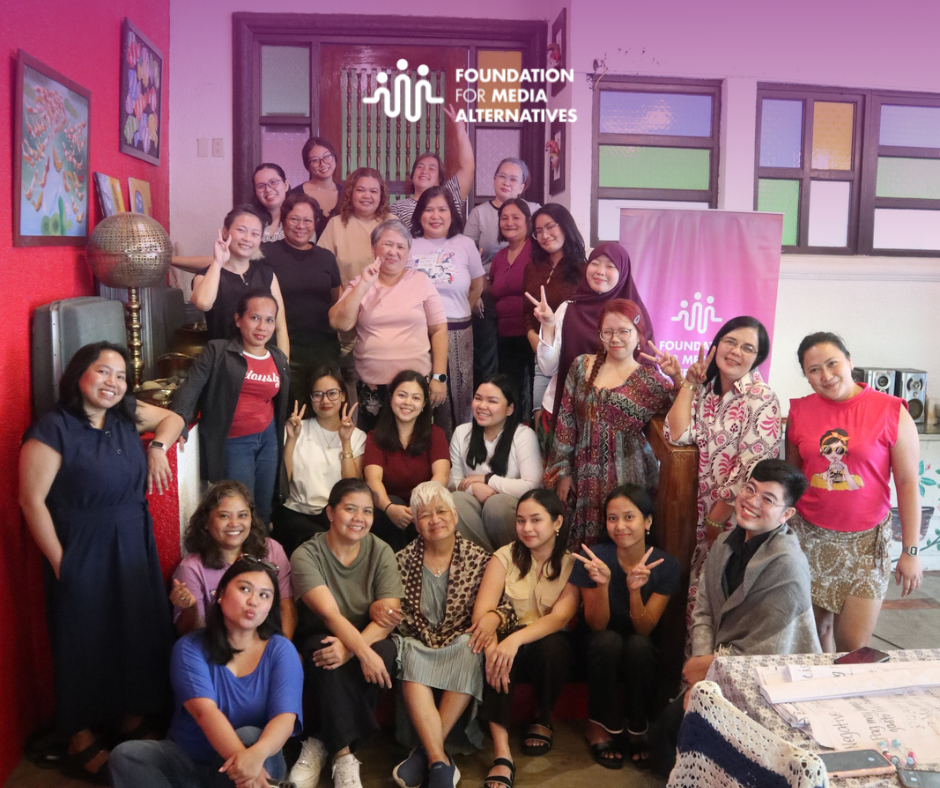
This article draws on reflections and shared learnings from FMA’s three-day Holistic Security and Wellbeing Workshop, held in October 2026, with the support of Numun Fund, the first dedicated fund for feminist technology in and for the Global South.
Our lives are increasingly intertwined with technology. We use digital spaces to communicate, organize, advocate, and build communities. For activists and women human rights defenders (WHRDs), these spaces are essential for exercising rights and sustaining movements. However, online harassment, surveillance, doxxing, account hacking, and other forms of technology-facilitated gender-based violence (TFGBV) can threaten not only our digital security but also our mental, emotional, and physical well-being.
The pressure to remain connected, monitor online threats, and respond to attacks can lead to anxiety, exhaustion, and emotional fatigue. These experiences remind us that digital security must go beyond protecting devices, accounts, and personal information. It must also protect people, their well-being, and their ability to participate safely in digital spaces.
Digital Security and Personal Well-Being
Digital threats can have consequences that extend beyond the online environment. Harassment, threats, or security breaches can affect our sense of safety, confidence, relationships, and ability to keep working.
For activists and WHRDs, the expectation to remain constantly available, monitor attacks, and protect others can make it difficult to disconnect and rest. Over time, this can contribute to stress, burnout, and emotional exhaustion.
Recognizing these impacts means understanding that digital safety is not simply the absence of technical threats. It also involves having the capacity to navigate digital spaces, establish boundaries, and seek support when needed.
Self-Care: Knowing When to Pause
Self-care is an essential part of digital security and well-being. It means recognizing our limits and taking steps to protect our physical, mental, and emotional health.
In practice, self-care can mean setting boundaries around screen time, managing notifications, taking breaks from distressing online content, and allowing ourselves to disconnect. It also means recognizing signs of digital fatigue and reaching out for support when things become overwhelming.
For activists and WHRDs, stepping away can sometimes feel difficult, especially when advocacy work demands constant engagement. But being always available should not be treated as proof of commitment.
Rest is not a retreat from our advocacy. It is part of sustaining our capacity to continue the work.
Collective Care: We Are Safer Together
While self-care is important, digital safety cannot rest solely on individual responsibility. Digital threats are shaped by broader inequalities and abuses of power, requiring collective responses and shared accountability.
Collective care recognizes that our safety and well-being are interconnected. It means checking in on one another, sharing digital security knowledge, respecting boundaries and confidentiality, and supporting colleagues experiencing online harassment or threats.
Organizations and movements also have a responsibility to create supportive environments by establishing shared safety practices, providing access to technical and psychosocial support, setting realistic workloads, and making room for rest and recovery.
When someone experiences digital violence, they should not have to navigate the situation alone. Support must respect their choices, confidentiality, and pace.
Making Care Part of Our Digital Security Practices
For feminist movements and organizations, integrating care into digital security means moving beyond technical training and incident response. It requires building a culture where safety and well-being are shared priorities.
This includes recognizing the emotional impact of digital threats, challenging expectations of constant availability, sharing the responsibility of responding to incidents, and ensuring that people have the resources and support they need.
We cannot build sustainable movements while overlooking the well-being of the people who sustain them. Care should not be treated as an individual burden or an afterthought. It must be part of how we organize, work, and support one another.
Towards a Safer and More Caring Digital Future
Technology should enable us to connect, organize, express ourselves, and participate in society without compromising our safety and well-being.
Achieving this requires more than stronger passwords and secure devices. It calls for a holistic understanding of digital security that recognizes the connections between technology, human rights, power, and care.
As we strengthen our digital security practices, we must also make space for rest, recognize our limits, and look after one another.
Self-care helps us respond to our own needs; collective care reminds us that we do not have to face challenges alone. Together, they help sustain our well-being, strengthen our movements, and build safer and more supportive digital spaces.#

0 Comments